The intersection of material science and medical manufacturing is one of the most strictly regulated spaces in the world. When designing custom medical components—whether they are transient surgical instruments, long-term implants, or diagnostic housings—the choice of material and manufacturing process is not just a matter of performance. It is a matter of patient safety.
At the core of this industry is biocompatible plastic molding. This specialized manufacturing discipline ensures that custom plastic parts perform their mechanical duties flawlessly without eliciting an adverse biological response from the human body.
In medical device manufacturing, biocompatibility is the ability of a material to perform with an appropriate host response in a specific application. In simpler terms, the material must not harm the patient. It should not leach toxic chemicals, cause localized tissue irritation, trigger immune rejections, or introduce carcinogenic risks.
Medical plastics are evaluated based on the nature and duration of their contact with the human body. The global standard for this testing is ISO 10993, which categorizes devices into three primary contact levels:
Surface Devices: Skin, mucosal membranes, or breached/compromised surfaces (e.g., electrodes, speculums).
External Communicating Devices: Blood path indirect, tissue/bone/dentin, or circulating blood (e.g., catheters, laparoscopes).
Implant Devices: Tissue/bone or blood (e.g., pacemakers, artificial joints, stents).
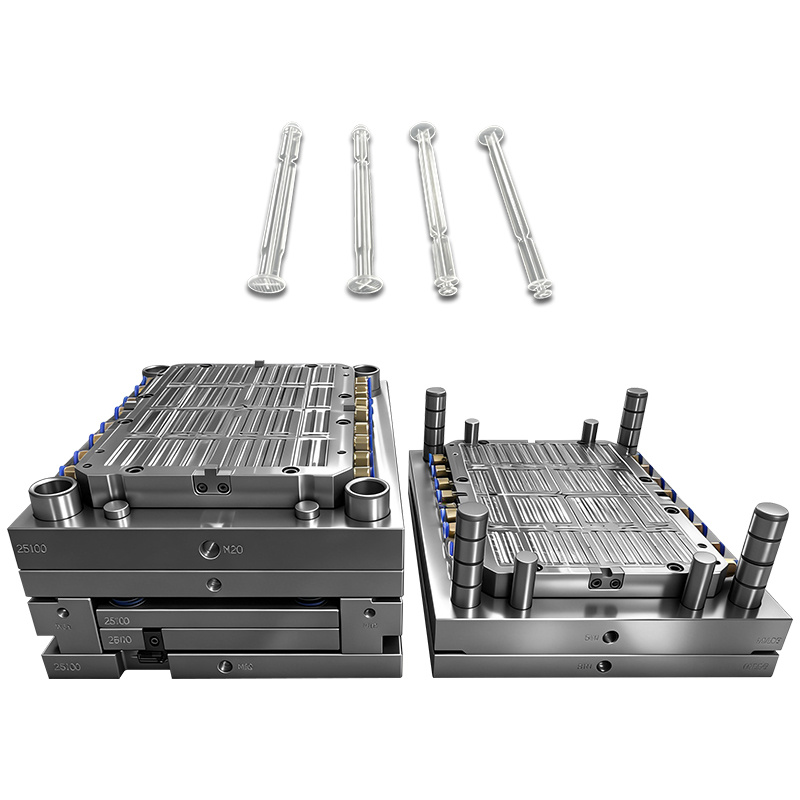 |
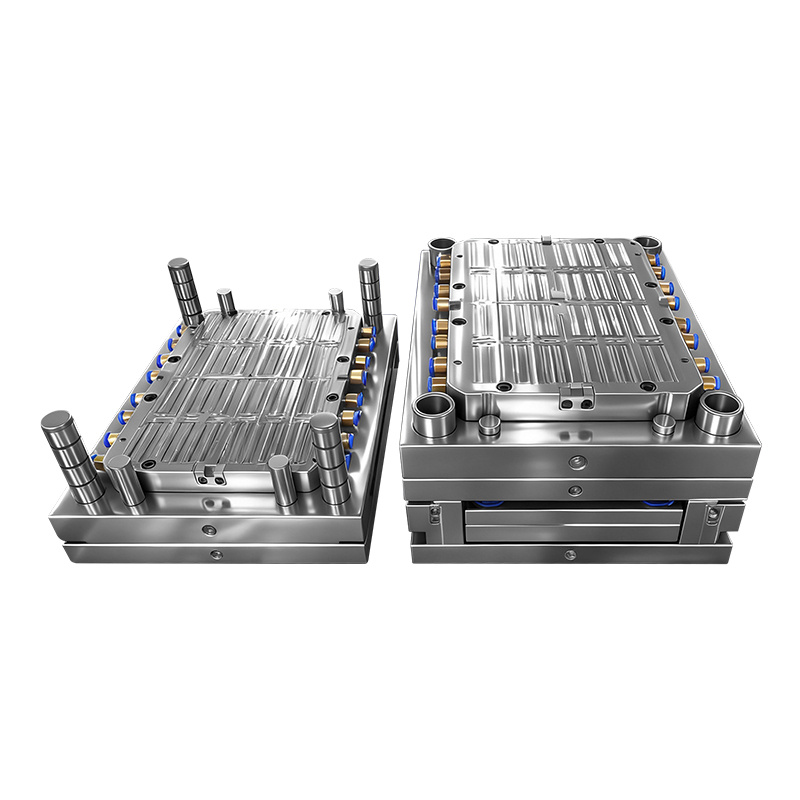 |
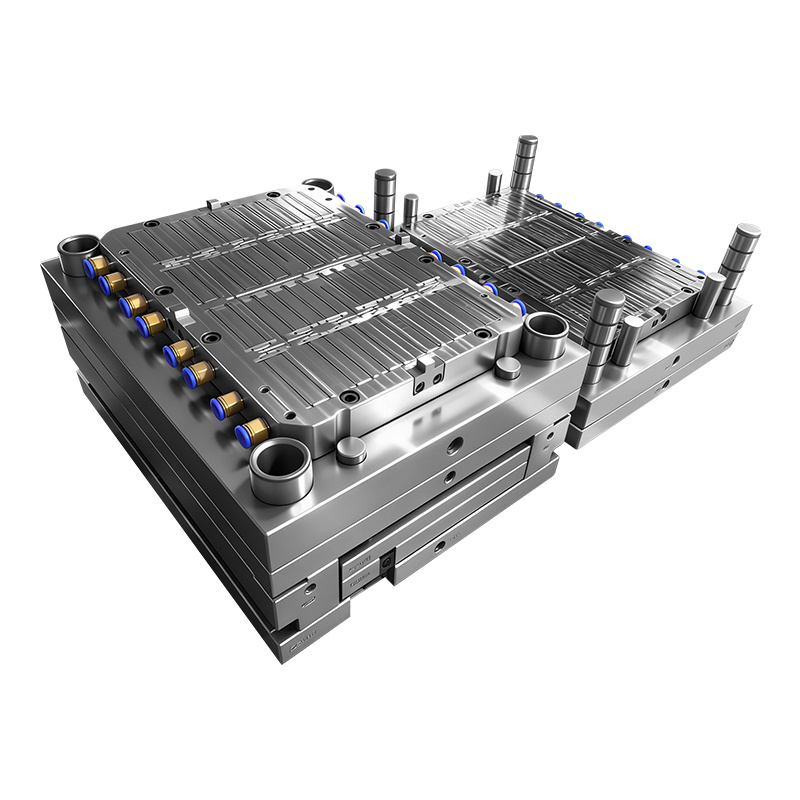 |
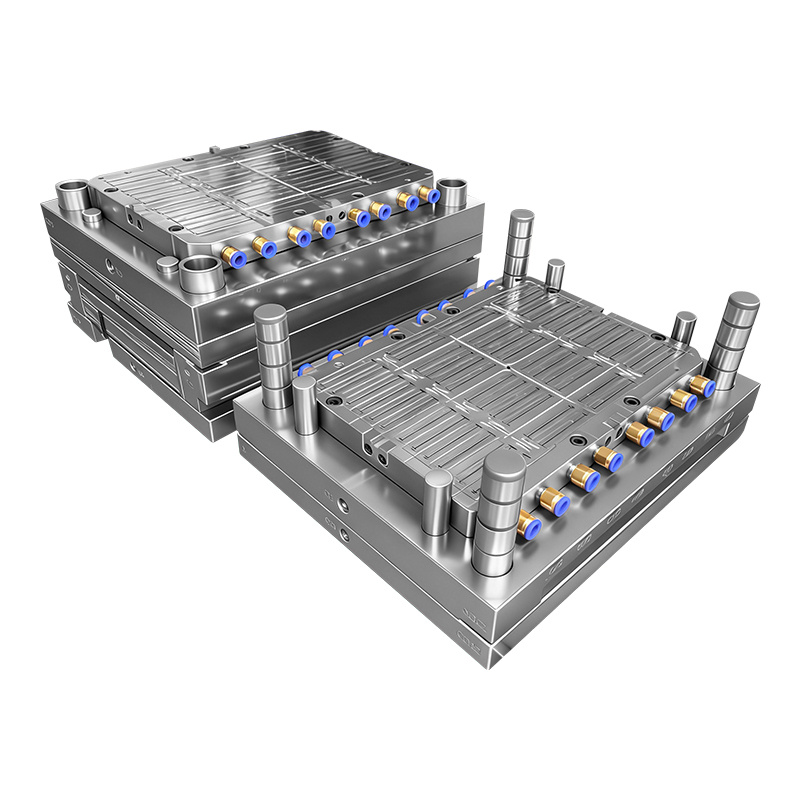 |
Choosing the right resin is the first and most critical step in custom medical molding. Different polymers offer varying degrees of chemical resistance, thermal stability, and mechanical strength.
| Polymer Family | Common Trade Names / Types | Key Properties | Typical Medical Applications |
| PEEK (Polyetheretherketone) | Optima, Zeniva | Extreme mechanical strength, radiolucent, withstands repeated autoclaving, bone-like modulus. | Orthopedic implants, spinal cages, dental implants. |
| Polycarbonate (PC) | Makrolon, Lexan | Crystal clarity, high impact resistance, structural rigidity. | Fluid delivery systems, oxygenators, surgical instrument housings. |
| PEI (Polyetherimide) | Ultem | Excellent flame, chemical, and heat resistance; maintains strength under repeated sterilization. | Surgical probes, sterilizable trays, endoscopic components. |
| Medical-Grade Silicone (LSR) | Dow Corning, Elkem | Exceptional flexibility, hypoallergenic, wide temperature stability, excellent sealing. | Catheters, seals, gaskets, respiratory masks, long-term implants. |
| UHMWPE (Ultra-High-Molecular-Weight Polyethylene) | Chirulen | Extremely low coefficient of friction, high wear resistance, excellent biocompatibility. | Articulating surfaces in hip and knee joint replacements. |
Depending on the geometry, production volume, and material selection, medical manufacturers leverage distinct molding techniques to achieve high-precision components.
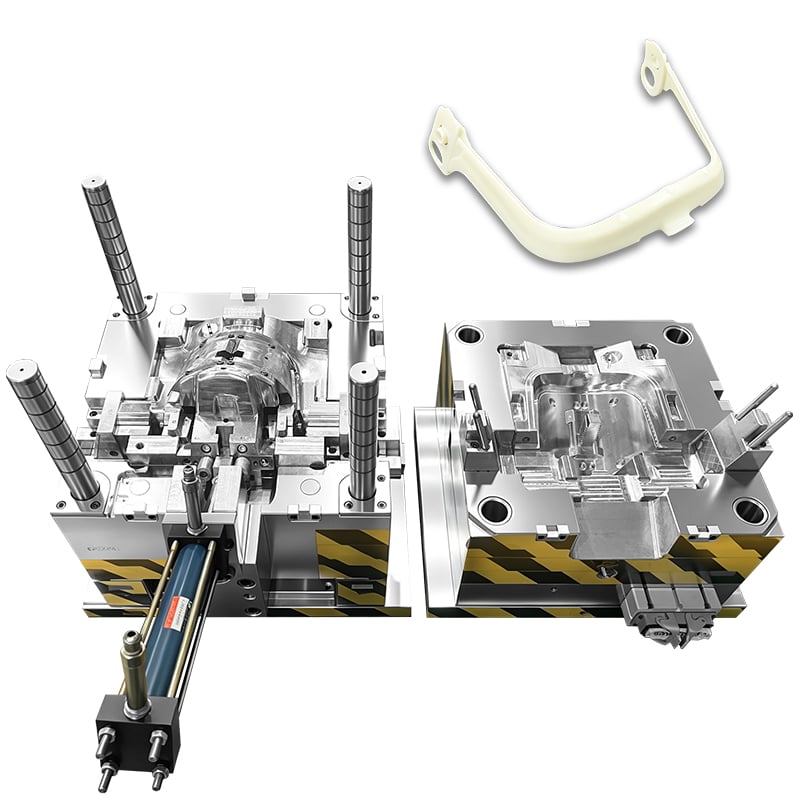
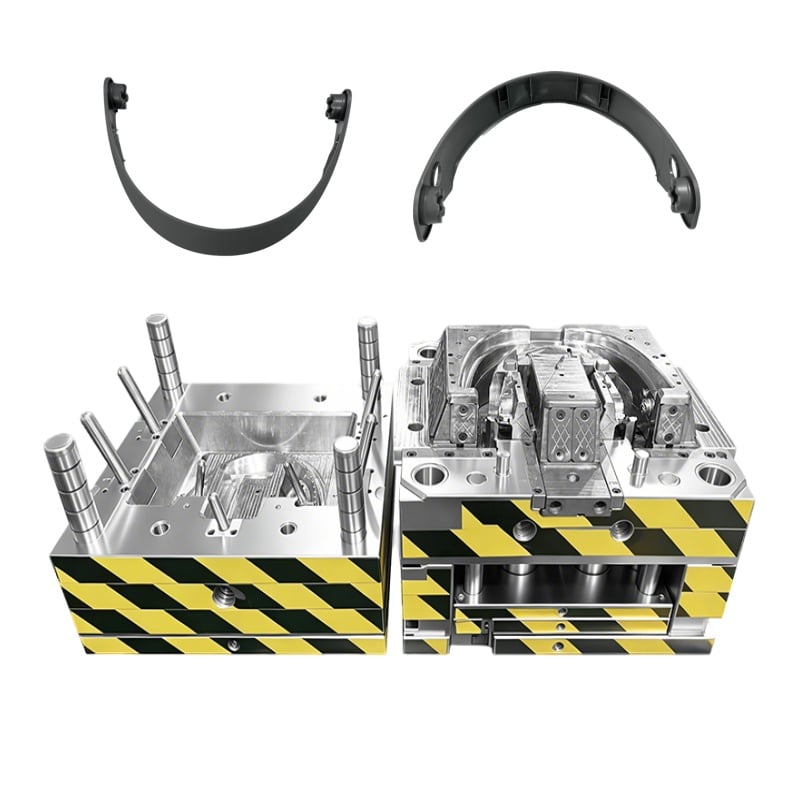
The workhorse of medical manufacturing. Molten biocompatible resin is injected under high pressure into a precision-machined steel mold.
Advantages: High efficiency, exceptional repeatability, tight tolerances, and scalable to millions of units.
Best For: Syringe barrels, diagnostic test kits, and structural housings.
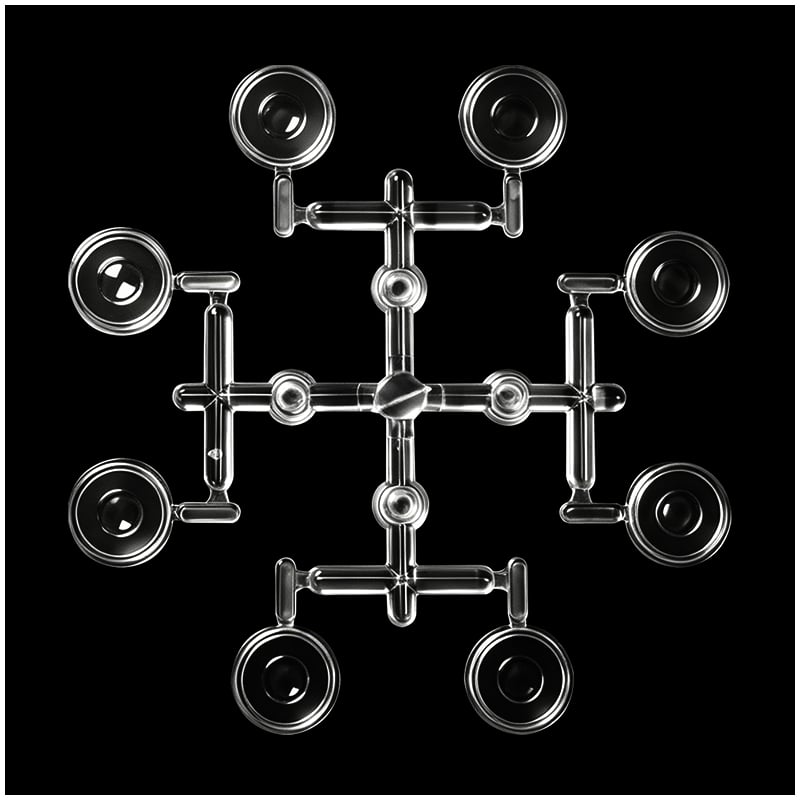
LSR molding utilizes a two-part thermoset material that is mixed and thermally cured inside the mold.
Advantages: Ideal for intricate, flexible geometries that require absolute biological inertness.
Best For: Dialysis valves, feeding tubes, and seals for wearable medical devices.
As minimally invasive surgeries become the standard, components are shrinking. Micro-molding produces parts weighing fractions of a gram with micron-level tolerances.
Advantages: Enables the creation of ultra-precise, microscopic features.
Best For: Intravascular implants, pacemaker components, and micro-fluidic chips.
You cannot manufacture medical-grade components in a standard molding environment. Airborne particulates, volatile organic compounds (VOCs), and skin oils can contaminate a medical device, rendering it unsafe regardless of how biocompatible the raw resin is.
Biocompatible molding must occur within controlled environments certified under ISO 14644 standards.
ISO Class 7 (Class 10,000): Max 352,000 particles per cubic meter. Commonly used for molding medical components.
ISO Class 8 (Class 100,000): Max 3,520,000 particles per cubic meter. Frequently used for secondary packaging and assembly.
Medical molders must operate under a strict ISO 13485 Quality Management System. This ensures:
Full Lot Traceability: Every raw resin batch can be traced back to its chemical formulation.
Process Validation (IQ/OQ/PQ): Installation Qualification (IQ), Operational Qualification (OQ), and Performance Qualification (PQ) guarantee that the molding process consistently yields flawless, identical parts.
Sterilization Compatibility: Components must be designed to survive post-molding sterilization methods, such as Ethylene Oxide (EtO), Gamma Radiation, or Autoclaving, without degrading.
When engineering a custom medical component, collaboration between the design engineer and the molder early in the process prevents costly failures. Key design considerations include:
Uniform Wall Thickness: Drastic shifts in wall thickness lead to internal stresses, warp, and sink marks, compromising the mechanical integrity of the device.
Draft Angles: Incorporating a 1° to 2° draft angle ensures the part releases smoothly from the mold tool without micro-tearing or scuffing the surface.
Radiused Edges: Sharp internal corners act as stress concentrators. Generous radii improve material flow during injection and increase the structural longevity of the component.
Gate Placement: The point where plastic enters the mold cavity (the gate) leaves a small vestige. Designers must position gates away from critical sealing surfaces or areas that contact sensitive tissue.
 EN
EN



 Hot News