In the world of high-end manufacturing, product designers are constantly searching for the holy grail: components that are incredibly durable, yet look like polished glass.
Whether you are designing automotive touchscreens, premium consumer electronics, or optical medical devices, you’ve likely run into a common dilemma. Polycarbonate (PC) gives you the structural impact resistance you need, but it scratches too easily. Acrylic (PMMA) gives you unmatched scratch resistance and optical clarity, but it can be brittle.
The solution? PMMA overmolded PC plastic injection molding. By combining these two engineering thermoplastics into a single, cohesive part, manufacturers get the best of both worlds. Here is a deep dive into how this advanced overmolding process works, its benefits, and key design considerations for your next project.
Overmolding is a multi-shot injection molding process where one material (the overmold) is molded over a pre-existing substrate (the base layer).
In a PMMA-over-PC application:
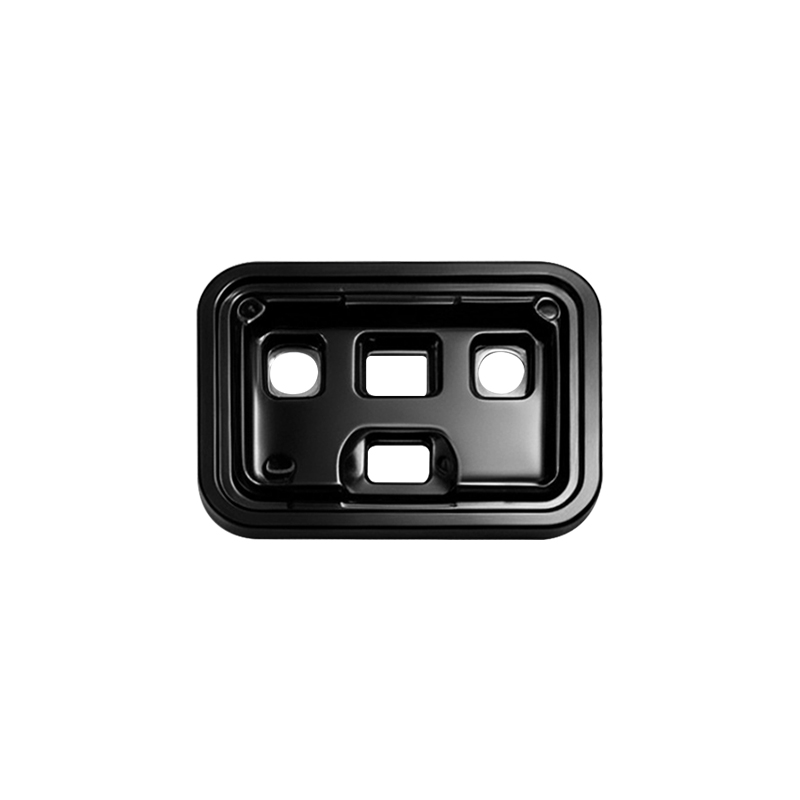
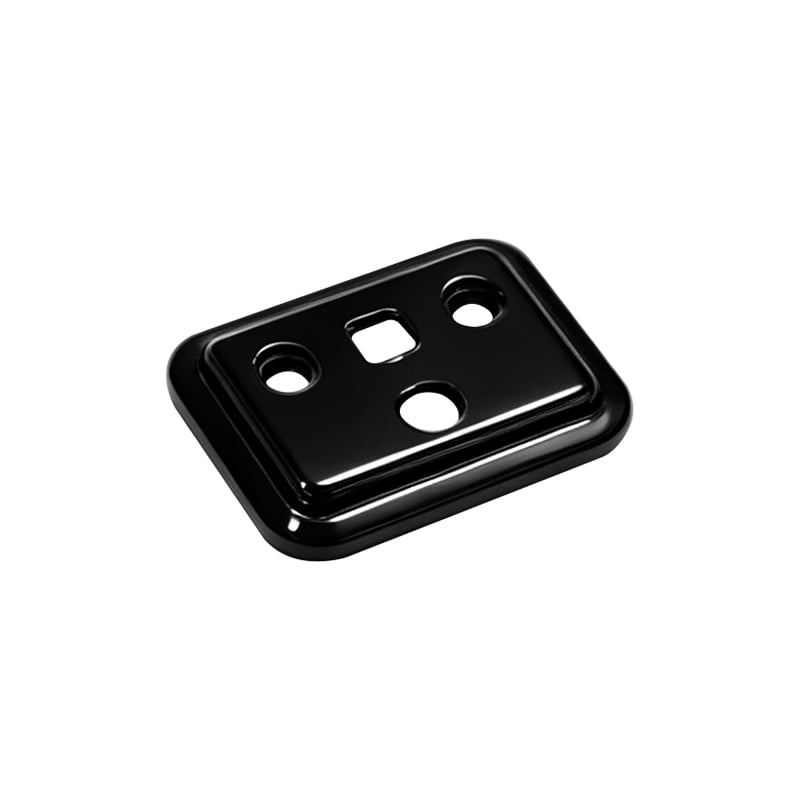
The Substrate (PC): The Polycarbonate is injected first to form the structural backbone of the part. PC provides exceptional mechanical strength, heat resistance, and high impact toughness.
The Overmold (PMMA): Acrylic is injected directly over the PC substrate. PMMA provides a hard, high-gloss, UV-stable, and scratch-resistant outer layer with 92% light transmittance.
 |
 |
When engineered correctly, PMMA and PC form a flawless molecular bond without the need for adhesives or mechanical interlocks. Here is why this combination is a game-changer for premium products:
An all-PMMA part might shatter upon impact. An all-PC part will survive the drop but will easily scratch and look weathered over time. Overmolding PMMA onto PC creates a component that can withstand heavy impacts while maintaining a crystal-clear, premium glass-like aesthetic.
PMMA has one of the highest surface hardness ratings among transparent plastics. Overmolding it as an outer skin protects the underlying PC from everyday wear and tear, superficial scratches, and chemical exposure (such as cleaning agents or oils).
Polycarbonate tends to yellow when exposed to prolonged sunlight and UV radiation. PMMA is naturally UV-stable. By encapsulating or capping the PC substrate with PMMA, you protect the entire component from UV degradation, making it ideal for outdoor and automotive applications.
This process eliminates the need for gluing or mechanical assembly, which means no unsightly seam lines, glue bubbles, or gaps where moisture and dust can get trapped. It also allows for unique aesthetic effects, such as backlighting, integrated light pipes, or dual-color designs.
Where do we see PMMA overmolded PC most often? Wherever durability meets premium looks:
Automotive: Smart surfaces, center console displays, instrument clusters, tail-light lenses, and exterior trim panels.
Consumer Electronics: Smart home control panels, wearable device screens, premium audio equipment housing, and VR headset lenses.
Medical Devices: High-visibility diagnostic equipment screens and surgical tool displays that require frequent chemical sterilization.
While PMMA and PC are chemically compatible (both being amorphous polymers), successful overmolding requires precise engineering and manufacturing expertise.
PC and PMMA have different melting points and mold shrinkage rates. If the mold temperatures are not perfectly calibrated, the parts can warp, or internal molded-in stress can cause the PMMA layer to crack (craze) over time.
To ensure a flawless bond and avoid sink marks, the wall thickness of both the PC substrate and the PMMA overmold must be carefully balanced. Gradual transitions in thickness are critical to maintaining uniform melt flow.
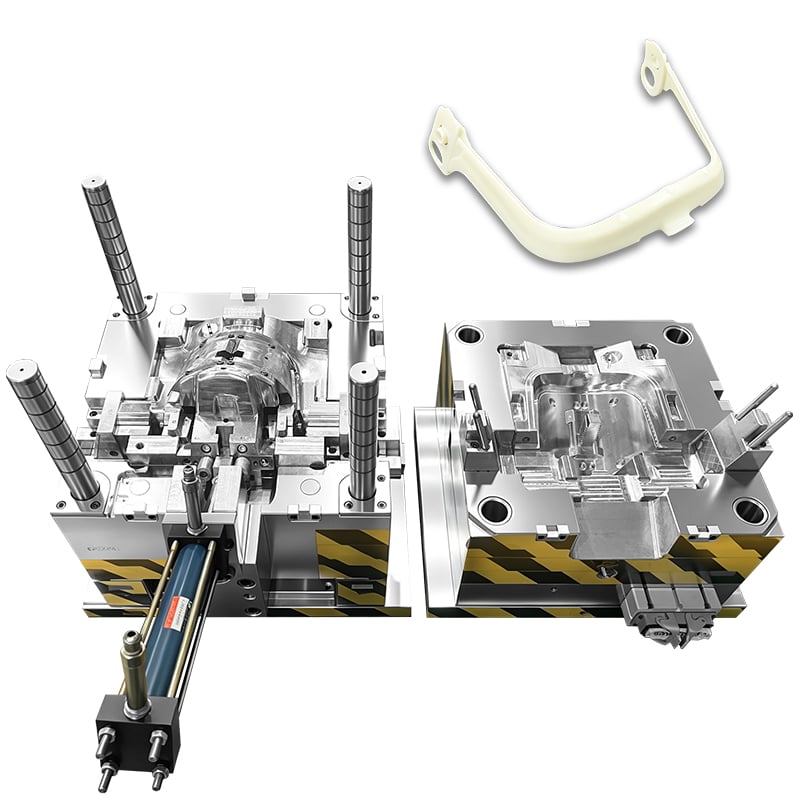
Achieving a premium finish usually requires Two-Shot (2K) Injection Molding machines equipped with rotating platens or core-back systems. This allows the PC to be molded and the PMMA to be overmolded immediately after, utilizing the residual heat of the substrate to maximize molecular bonding.
 EN
EN



 Hot News