The global manufacturing landscape is undergoing a massive shift. In high-stakes industries like medical device molding and electronics, traditional manufacturing methods frequently hit a wall when it comes to cooling efficiency.
To maintain a competitive edge, manufacturers are turning to conformal cooling, powered by advanced 3D printing (Additive Manufacturing).
Here is an in-depth look at how 3D-printed conformal cooling works, its applications, and why it is redefining the capabilities of precision mold tooling.
 |
 |
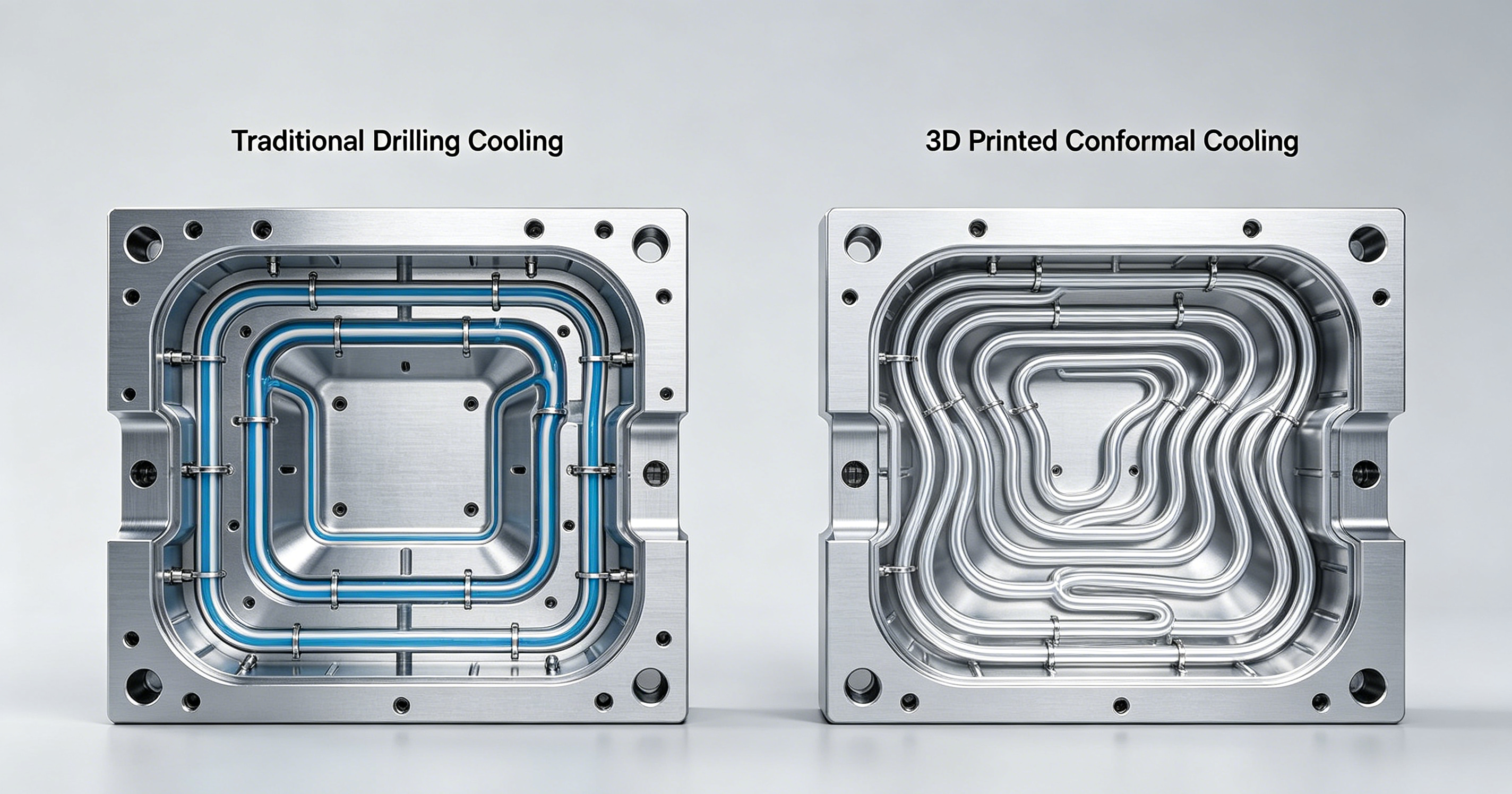
In traditional injection tooling, cooling channels (often referred to in the industry as water lines) are created using conventional CNC drilling. Because drills can only move in straight lines, these channels are restricted to straight, rigid networks. This leaves deep cores, complex curves, and thin walls inadequately cooled, leading to hot spots and uneven thermal distribution.
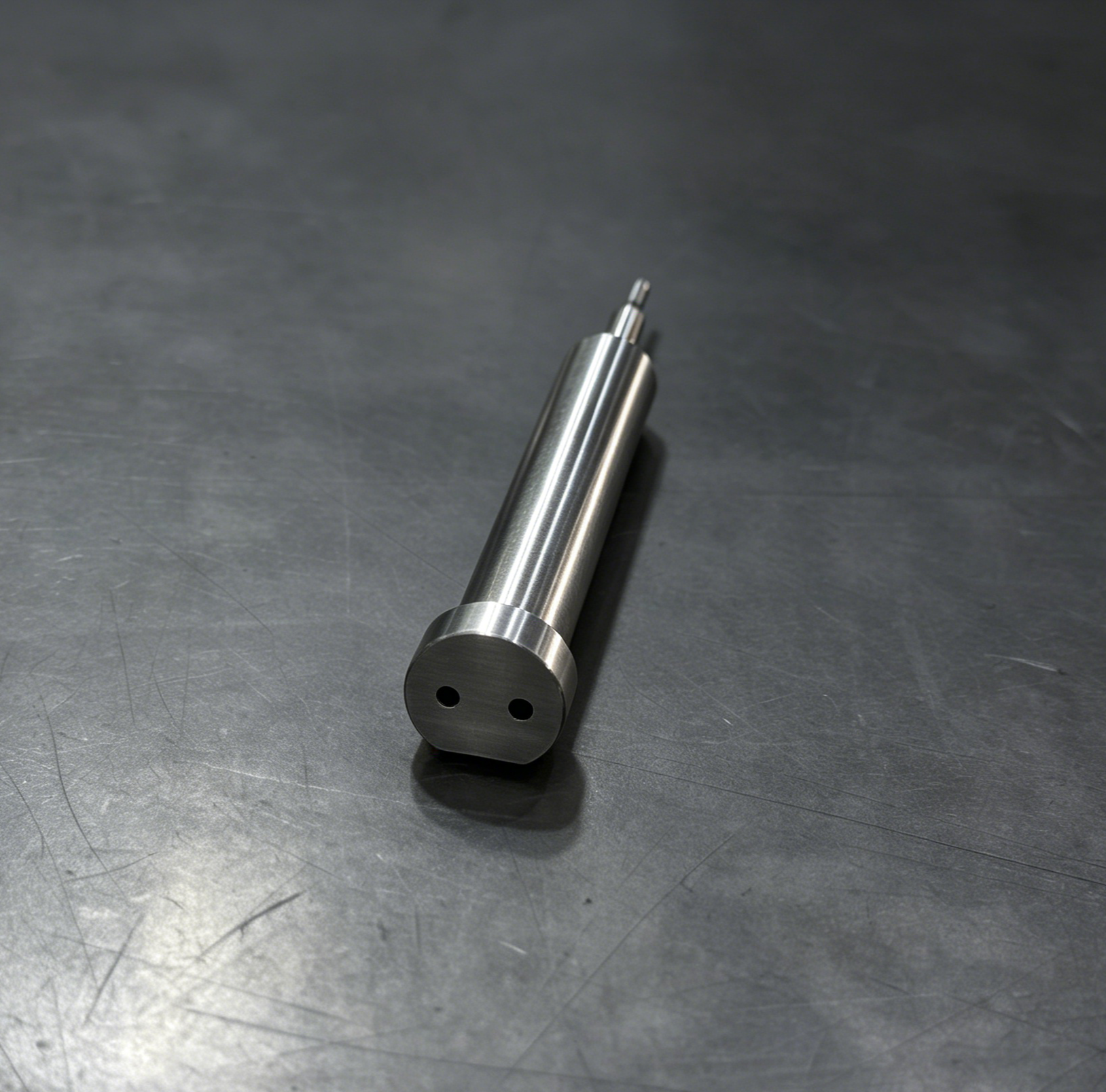
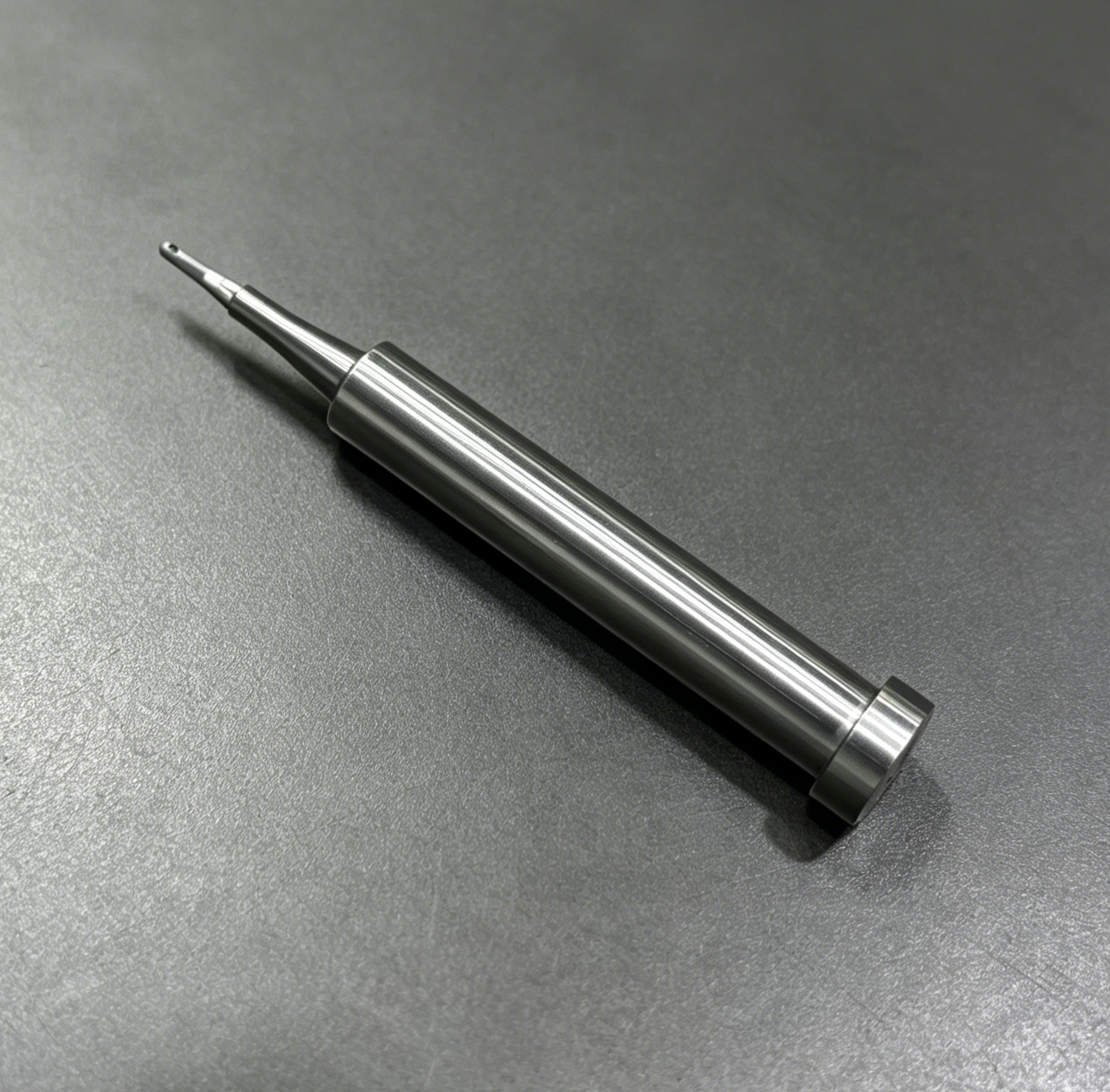
Conformal cooling completely shatters these geometry limitations. By leveraging Direct Metal Laser Sintering (DMLS) or Selective Laser Melting (SLM) 3D printing technologies, engineers can grow a plastic mold layer-by-layer. This allows the internal water channels to curve, twist, and seamlessly hug the exact profile of the part cavity.
The Principle: By maintaining a uniform distance between the cooling water and the molding surface—regardless of how complex the geometry is—heat is pulled away from the plastic uniformly and at an accelerated rate.
3D-printed conformal cooling inserts are not required for every simple geometric shape, but they have become indispensable in several high-precision sectors:
Medical Device Molding & Healthcare Molding: Creating complex components like syringe barrels, diagnostic casings, and fluidic channels requires strict dimensional stability. 3D-printed tooling ensures zero warping and high repeatability.
Clean Room Molding: In clean room plastic making, reducing cycle times without introducing contaminants is crucial. Efficient internal cooling limits the heat radiated into the clean room environment, keeping ambient conditions stable.
High-Volume Plastic Injection: For consumer goods or packaging where millions of plastic moulded parts are produced, saving even two seconds per cycle scales up to massive financial savings annually.
Precision Mold Components: Deep core inserts, thin ribs, and areas near the gate where heat concentrates are ideal candidates for hybrid tooling (combining a CNC-machined base with a 3D-printed conformal top).
Integrating 3D printing into your injection moulding workflow yields clear, measurable advantages across production efficiency and part quality.
Traditional Drilling VS 3D Printed Conformal Cooling
|
Traditional Drilling
|
3D Printed Conformal Cooling |
|
|
In standard plastic injection, the cooling phase can account for up to 70% to 80% of the entire injection cycle. Because conformal channels maximize the surface area dedicated to heat transfer, they can reduce cooling times by 20% to 50%. This directly boosts the throughput of your molding operations.
When a plastic moulded part cools unevenly, internal stresses develop, leading to warping, sink marks, and dimensional inaccuracy. Conformal cooling ensures the entire part solidifies at the same rate, which is critical for maintaining the tight tolerances required in a precision mold.
Uneven cooling can cause visible defects like weld lines or surface blemishes. Optimized thermal management results in a flawless surface finish, which is highly valued in oem medical products and high-end consumer electronics.
Product designers no longer need to compromise their designs to accommodate old tool-making limitations. Plastic mould tooling can now handle highly complex, organic shapes with variable wall thicknesses, knowing that the 3D-printed channels will successfully cool the part.
As the demand for smarter, faster, and more precise manufacturing grows, relying purely on traditional straight-line drilling is no longer enough. For oem plastic manufacturing companies looking to elevate their output, investing in hybrid 3D-printed tooling is a definitive game-changer.
By achieving accurate molding, reducing waste, and slashing cycle times, 3D-printed conformal cooling ensures that modern injection molders stay ahead of the curve.
Are you looking to optimize your next project? Contact our team today to learn how our precision molding and advanced medical molding solutions can accelerate your production.
 EN
EN



 Hot News