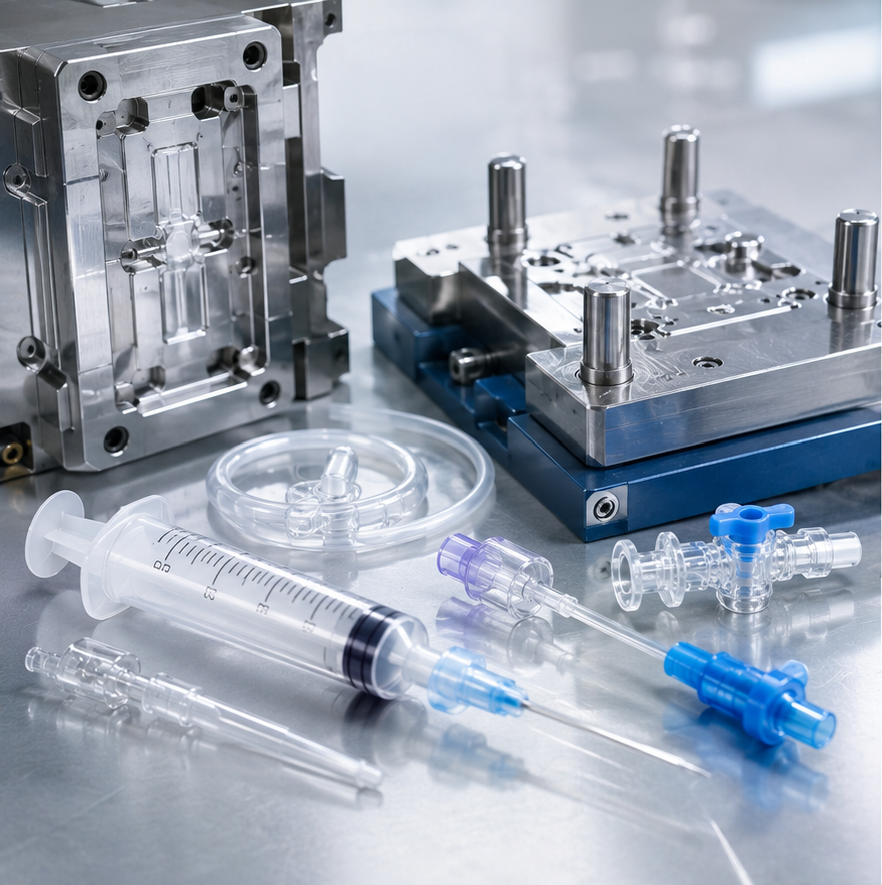
The healthcare sector demands flawless execution. When manufacturing components for life-saving equipment, surgical instruments, or diagnostic tools, there is zero margin for error. For original equipment manufacturers (OEMs), achieving this level of perfection requires a deep understanding of medical device molding compliance, specialized tooling, and controlled manufacturing environments.
Here is a comprehensive guide to understanding the regulatory landscape, technical demands, and production standards required for healthcare-grade plastic components.
Unlike commercial plastic manufacturing, medical molding is governed by strict international standards. To supply parts to the healthcare industry, a manufacturer's facility and processes must align with several critical frameworks:
ISO 13485 Certification: This is the definitive quality management system (QMS) standard for the medical device industry. It ensures that every step of the manufacturing process—from design to shipment—is documented, traceable, and strictly controlled.
FDA Title 21 CFR Part 820: For products entering the US market, adherence to the FDA’s Quality System Regulation (QSR) is mandatory. This focuses on cGMP (Current Good Manufacturing Practice) guidelines.
Biocompatibility (ISO 10993): Any plastic resin used must be tested to ensure it does not cause an adverse biological reaction when it comes into contact with the human body.
Particulate contamination can ruin a medical batch and compromise patient safety. To prevent this, healthcare molding must take place within a controlled, certified environment.
Clean Room Molding: Production lines are typically housed in ISO Class 7 or ISO Class 8 cleanrooms. These environments strictly control airborne particles, temperature, and humidity.
Clean Room Plastic Making: The entire workflow—including part extraction, robot handling, and immediate packaging—must be isolated from standard factory contaminants to maintain pristine part purity.
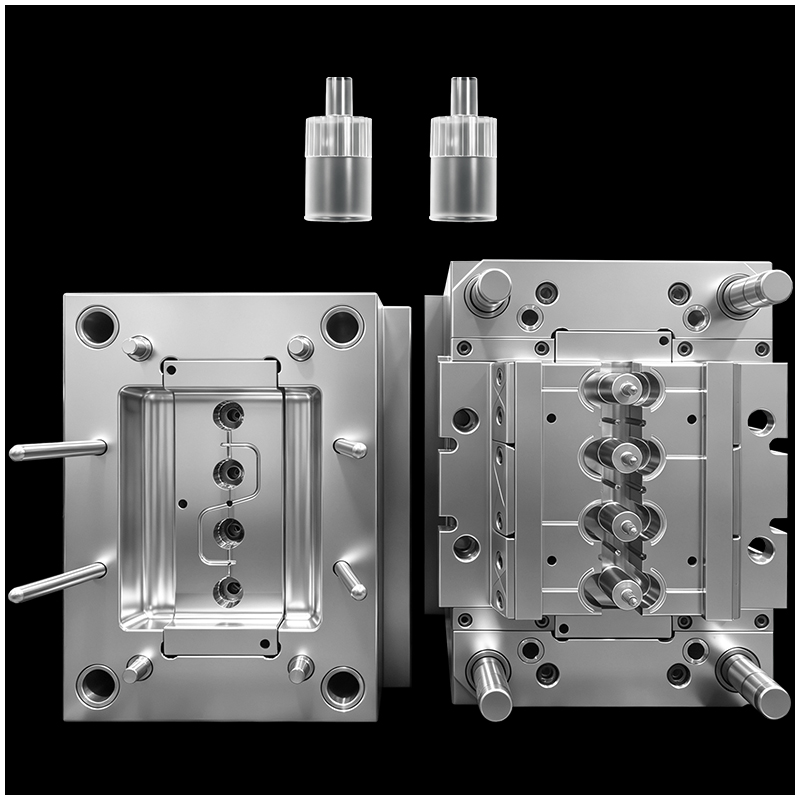
Achieving the tight tolerances required by medical applications starts long before resin hits the machine. It requires highly advanced injection tooling.
The Role of Precision Mold Design: Micro-fluidic components, surgical handles, and implantable parts require micron-level accuracy. A precision mold must be engineered using high-grade tool steels that resist wear and corruption over millions of cycles.
Plastic Mould Tooling Optimization: Tool designers utilize advanced mold-flow analysis to predict how molten plastic fills the cavities. This eliminates defects like flash, voids, or warp, ensuring an accurate molding cycle every single time.
Mold Maintenance: Standard commercial operations might run a mold until it shows signs of wear. In medical manufacturing, preventative maintenance schedules for every plastic mould tooling asset are strictly enforced to prevent deviations before they occur.
Once the tooling is validated, the focus shifts to the automated, highly repeatable process of plastic injection.
Resin Selection (ISO 10993) ➔ Drying & Feeding ➔ Injection Moulding (Controlled Parameters) ➔ Clean Room Extraction ➔ Inspection & Packaging
Injection Moulding Validation (IQ/OQ/PQ): Compliance relies heavily on the validation trilogy:
Installation Qualification (IQ): Proves the machinery is installed correctly.
Operational Qualification (OQ): Identifies the limits of the process windows (pressure, temperature, speed).
Performance Qualification (PQ): Proves the process consistently produces a compliant plastic moulded part over extended production runs.
Scientific Molding: Advanced precision molding utilizes sensors inside the mold cavity to monitor real-time data. If the pressure or temperature shifts even slightly, the system flags the specific molding cycle, allowing defective parts to be automatically segregated.
For healthcare brands, trying to build these capabilities in-house is often cost-prohibitive. Success lies in sourcing a specialized partner capable of managing the entire lifecycle.
When vetting an oem plastic manufacturing partner, ensure they offer end-to-end capabilities:
Co-Engineering: Assisting with design for manufacturability (DFM) to optimize the plastic injection process.
Turnkey Capabilities: Handling everything from raw injection mould creation to final sterile packaging.
Robust Supply Chain: Ensuring full lot traceability of medical-grade resins back to the chemical manufacturer.
By aligning with a partner who understands that a medical device mould is not just a tool, but a critical link in the patient care chain, OEMs can confidently bring compliant, high-quality oem medical products to the global market safely and efficiently.
 EN
EN



 Hot News