The manufacturing of medical components requires a seamless transition from initial design to sterile, high-precision production. Medical-grade plastics are critical to this process, ensuring that components are biocompatible, chemically resistant, and capable of enduring rigorous sterilization methods.
1. Design for Manufacturing (DFM) & Prototyping
Before cutting steel for a mold, a rigorous DFM analysis is essential. Engineers evaluate wall thicknesses, draft angles, and gating locations to prevent defects like sink marks, warping, or trapped air. 3D hand prototypes are often printed at this stage to verify form, fit, and function before committing to mass production tooling.
2. High-Precision Mold Making
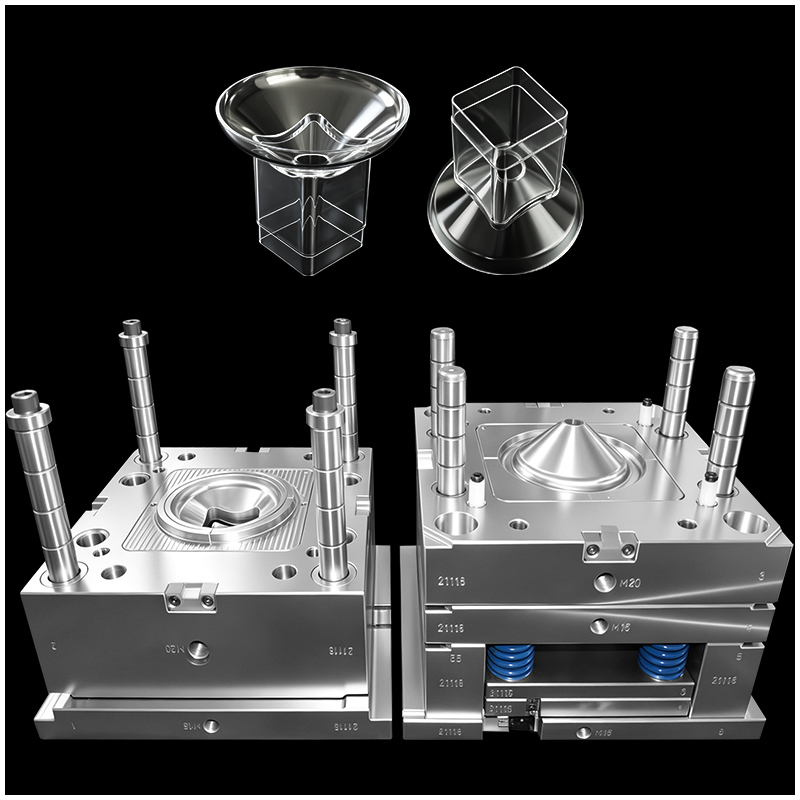
Medical molds require exceptional durability and precision. Utilizing advanced CNC machining, mirror EDM, and high-speed milling, molds are crafted to handle tight tolerances—often within micrometers. For complex internal geometries, specialized core-pulling or unscrewing mechanisms are integrated to form flawless fluid channels or threaded connections.
3. Cleanroom Injection Molding
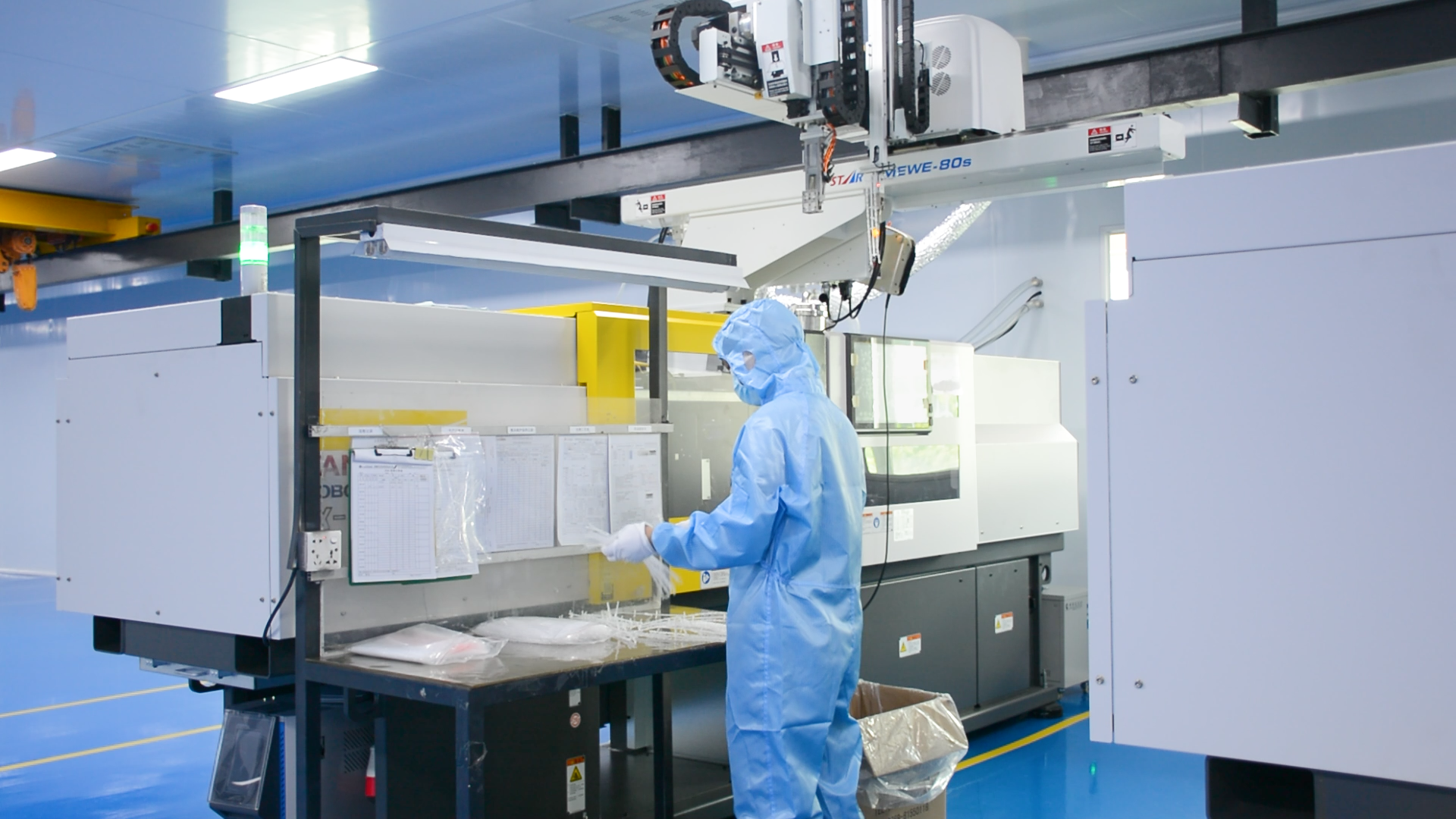
Contamination control is paramount when producing components that contact bodily fluids or medication. Production must occur within certified environment environments, such as an ISO Class 8 (Class 100,000) cleanroom. These spaces maintain controlled airflow, temperature, and humidity while filtering out microscopic particulates.
🎛️ Advanced Plastic Molding Techniques
Depending on the functionality of the medical device, specific advanced molding processes are utilized:
2K / Overmolding: Bonding a soft elastomeric material (like TPE) onto a rigid plastic substrate (like Polycarbonate). This is frequently used for surgical instrument handles to improve grip, or to create integrated seals and gaskets.
Liquid Silicone Rubber (LSR) Molding: Used for highly flexible, biocompatible parts such as valves, seals, and syringe tips. LSR remains stable across extreme temperatures and is highly resistant to bacteria.
Gas-Assisted Injection Molding: Ideal for thick-walled structural parts like medical equipment housings. High-pressure nitrogen gas creates hollow internal sections, reducing part weight, eliminating sink marks, and saving material costs.

📋 Quality Management & Compliance Standards
Medical component manufacturing is governed by strict global regulatory frameworks. Facilities must adhere to rigorous quality standards to ensure patient safety:
ISO 13485 Certification: The definitive quality management standard for the medical device industry, ensuring every step of production is documented and traceable.
PPAP (Production Part Approval Process): A structured verification process demonstrating that the manufacturing environment can consistently replicate the part at scale under full production conditions.
Metrology & Testing: Utilizing coordinate measuring machines (CMM), optical comparators, and pressure/tensile testers to verify that every batch meets the exact engineering specifications.
 EN
EN



 Hot News