Meta description:What is scientific molding? Learn how this data‑driven injection molding method improves repeatability, quality and regulatory compliance for medical plastic components.
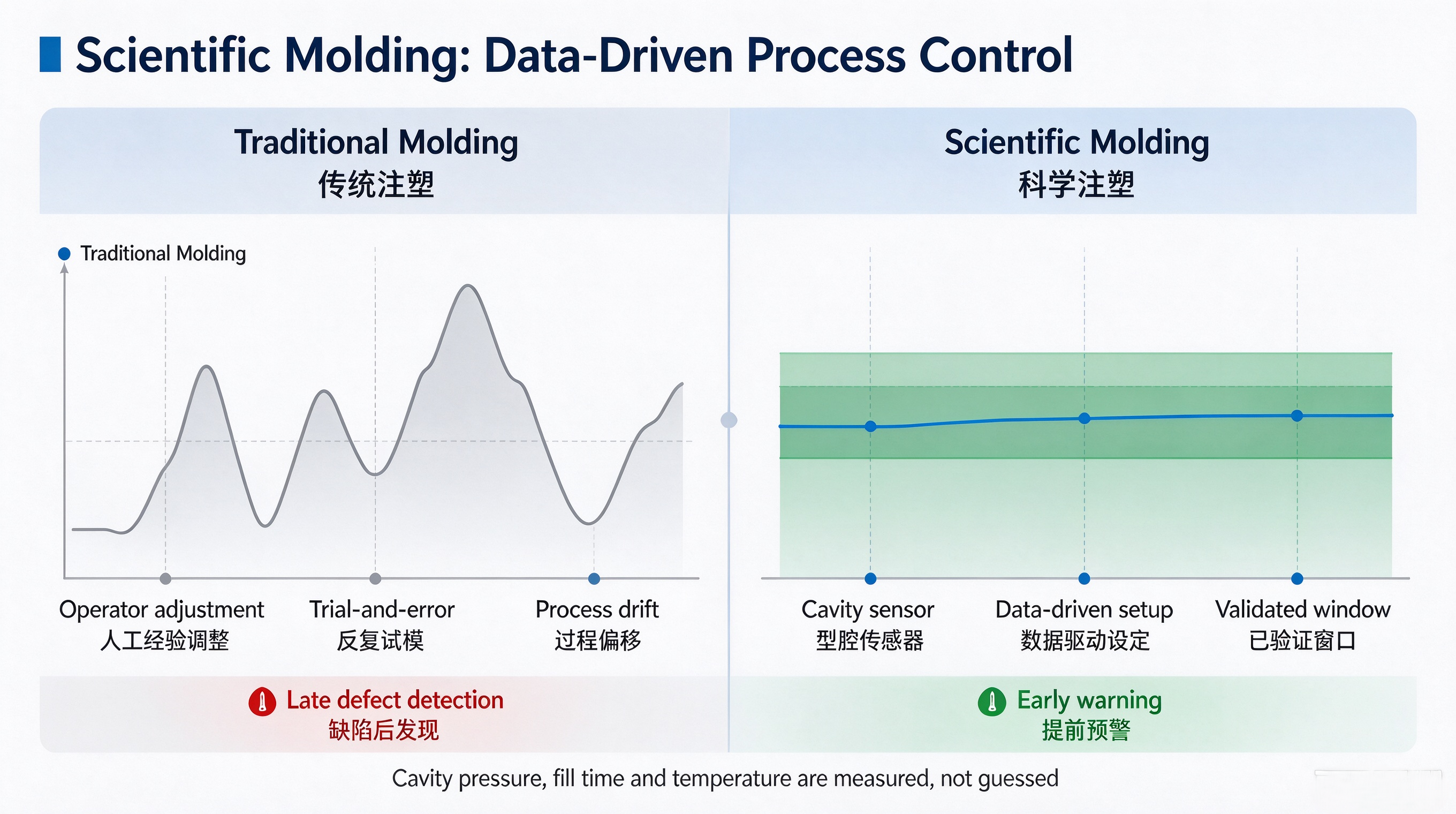
For medical device injection molding, consistent part quality, tight dimensional tolerance and full process traceability are non‑negotiable requirements. Traditional molding often depends on operator experience and trial‑and‑error tuning, which brings inconsistency risk for high‑volume medical production.
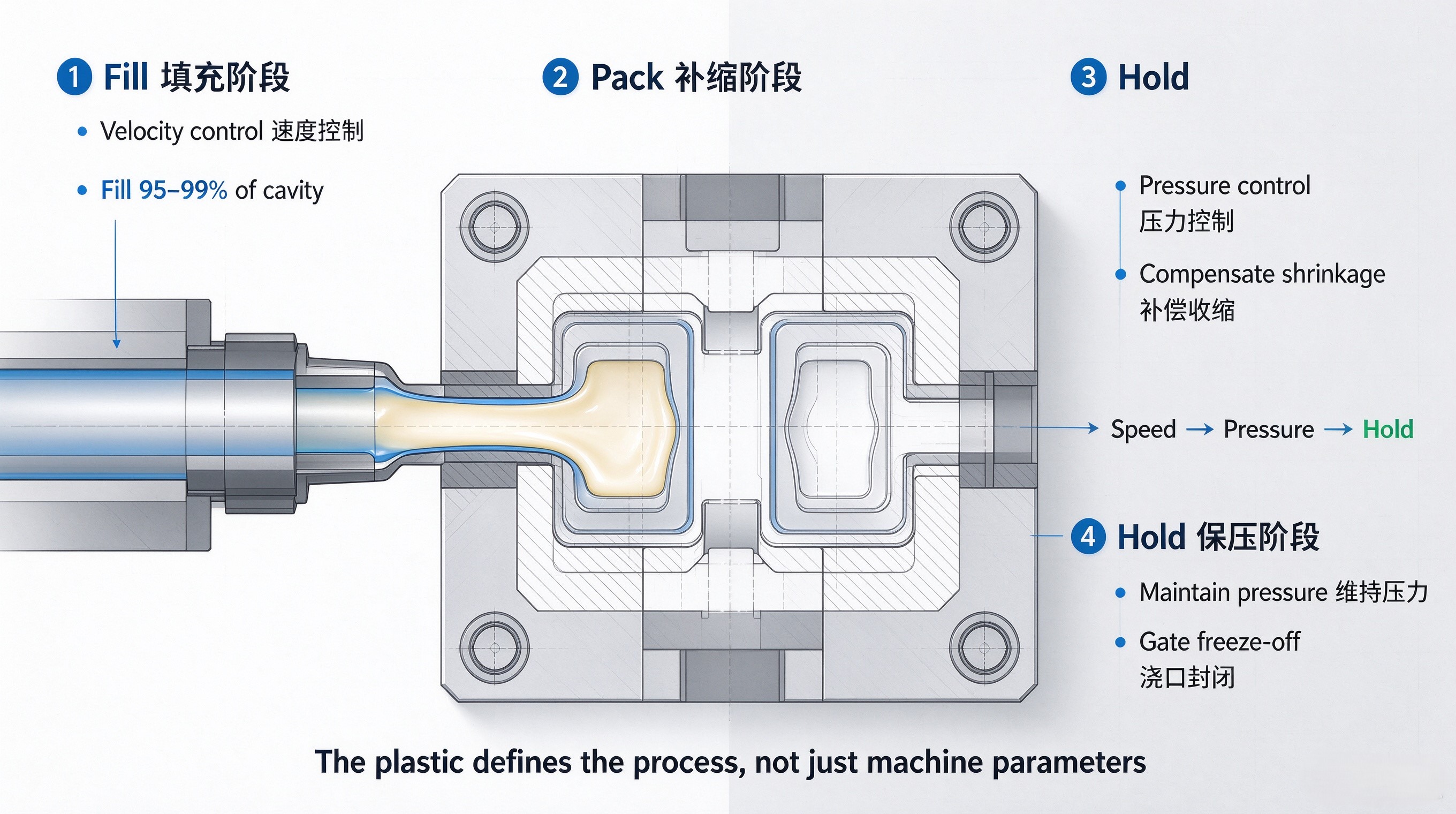
Scientific molding (also known as decoupled molding) is a systematic, data‑driven injection molding methodology. Instead of adjusting machine settings by feel, engineers focus on the real‑world behavior of molten plastic inside the mold cavity. It separates fill, pack and hold phases independently, uses cavity sensors to collect measurable data, and builds stable, repeatable process windows for production. It has become a core requirement for ISO 13485 and FDA‑compliant medical component manufacturing.
The central idea: the plastic defines the process, not just machine parameters.
1.Decouple molding phases : Split the full cycle into independent Fill, Pack, Hold and Cooling stages. Each phase is controlled and tested separately, avoiding cross‑interference between speed and pressure.
2.Measure cavity conditions, not only machine screen data: Install cavity pressure and temperature sensors inside the mold. Record cavity pressure curves, fill time, transfer position and gate freeze time, rather than only relying on injection pressure displayed on the machine.
3.Define proven process window Run DOE (Design of Experiments) tests to find upper and lower acceptable limits for every key parameter. All mass production runs must stay inside this validated window. Any deviation triggers early alarm before defective parts are produced.
4.Complete documentation for compliance All test data, process limits and validation reports are fully recorded. This documentation supports medical regulatory audit including IQ/OQ/PQ validation work flow.
| Item | Traditional Molding | Scientific Molding |
|---|---|---|
| Process setup | Trial‑and‑error, operator experience driven | Data‑driven, sensor‑measured test results |
| Fill & pack control | Speed and pressure mixed together | Fill (velocity), Pack & Hold (pressure), fully decoupled |
| Quality detection | Find defects after parts are produced | Sensor detects process shift before bad parts come out |
| Process file | Simple machine setting sheet | Full characterization report with cavity curve & Cpk data |
| Compliance for medical | Hard for audit requirement | Ready for ISO13485, FDA validation |
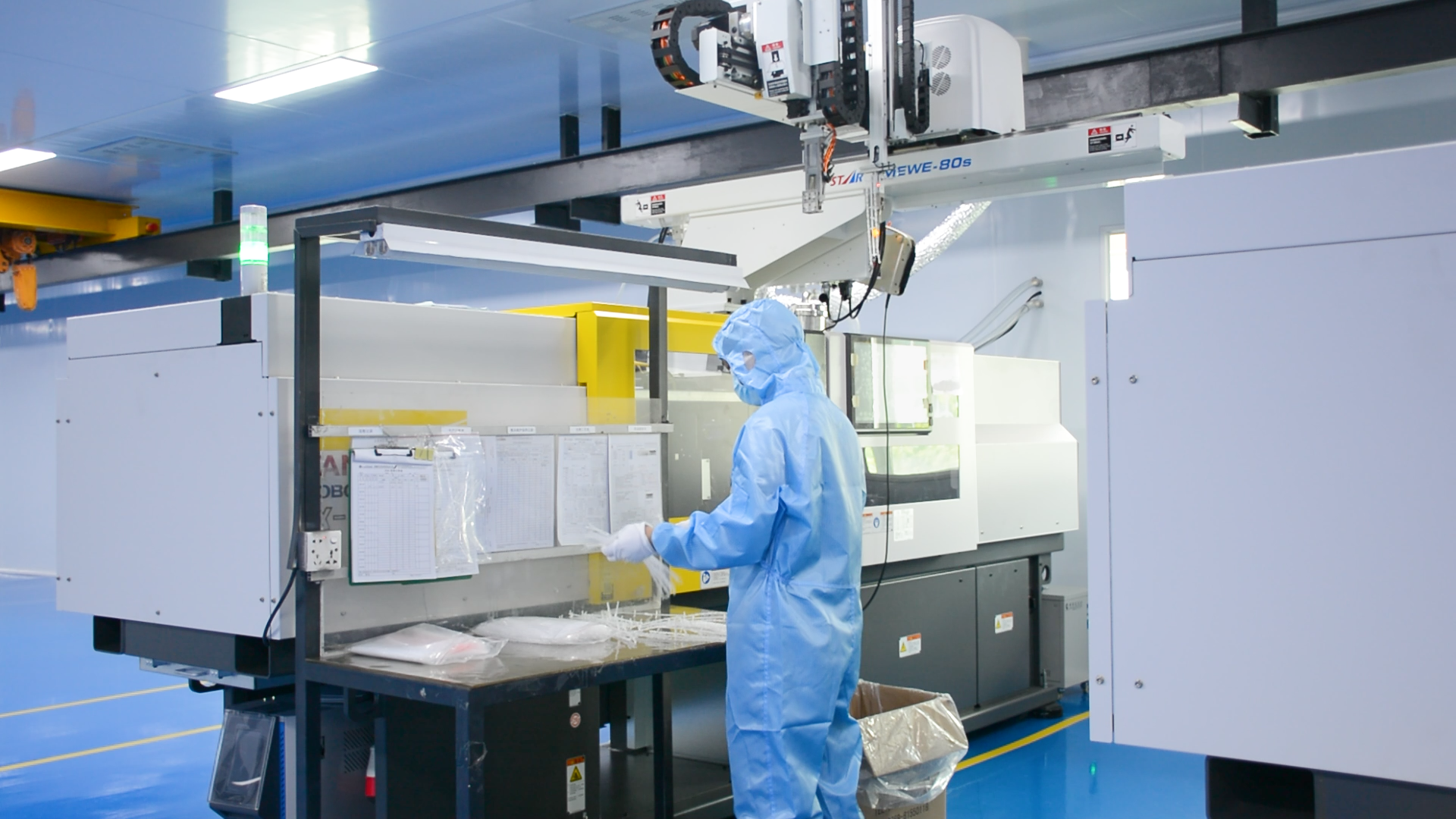
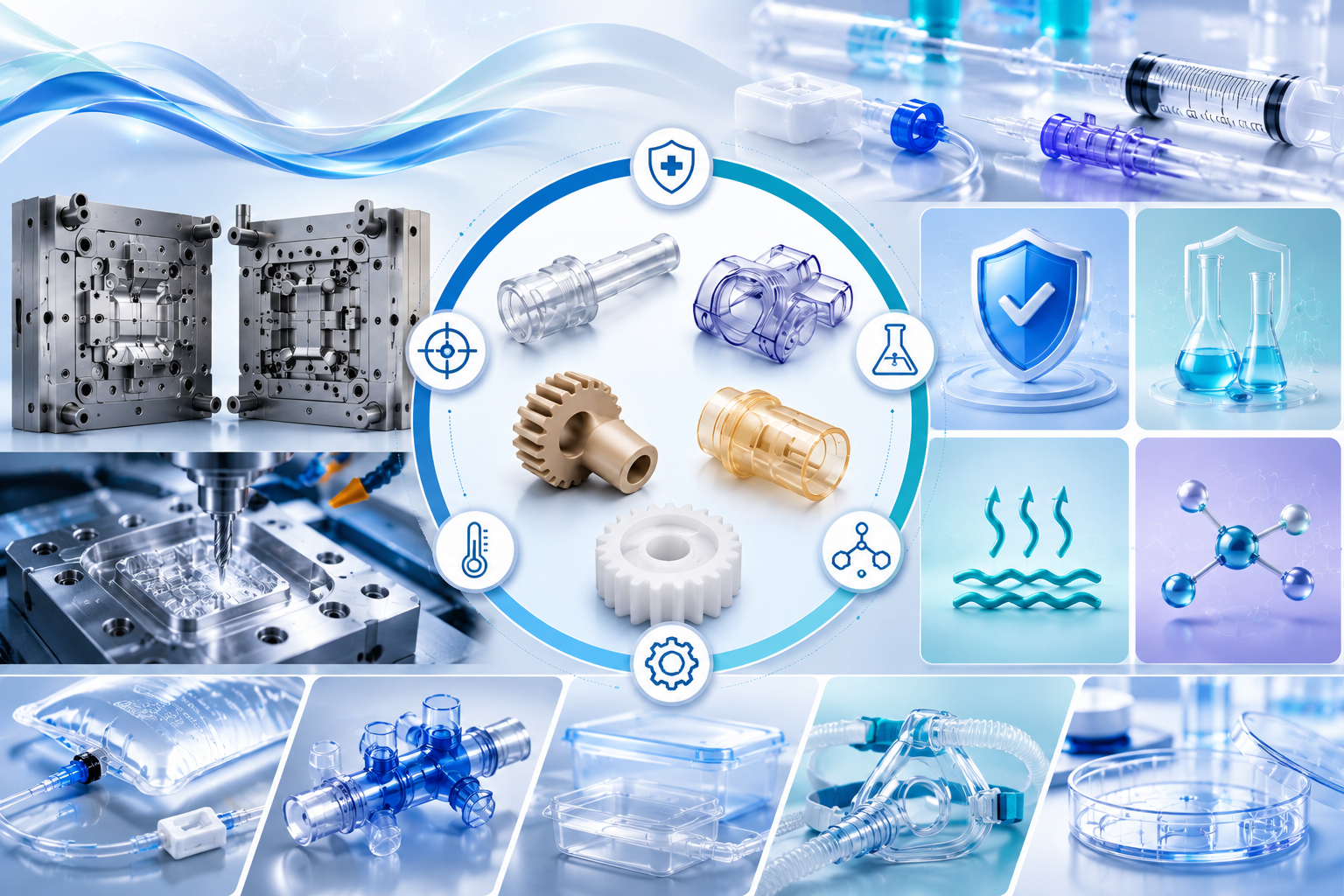
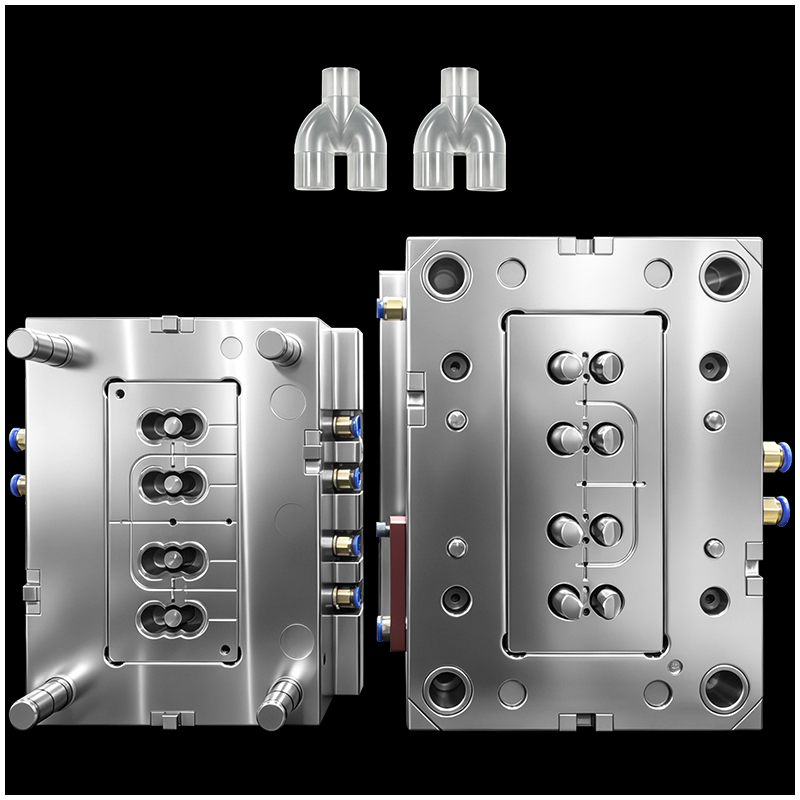
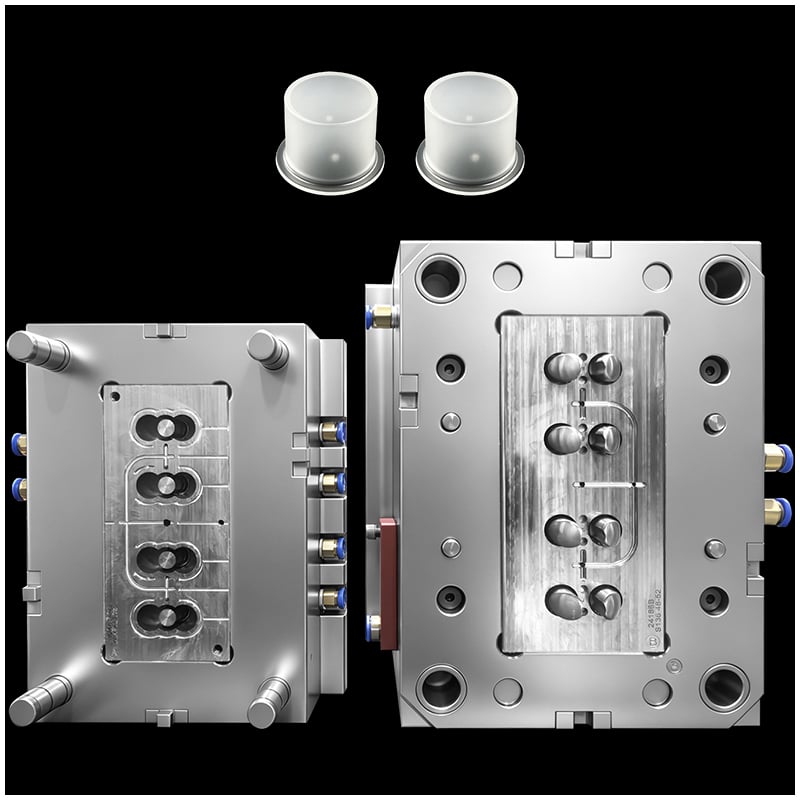
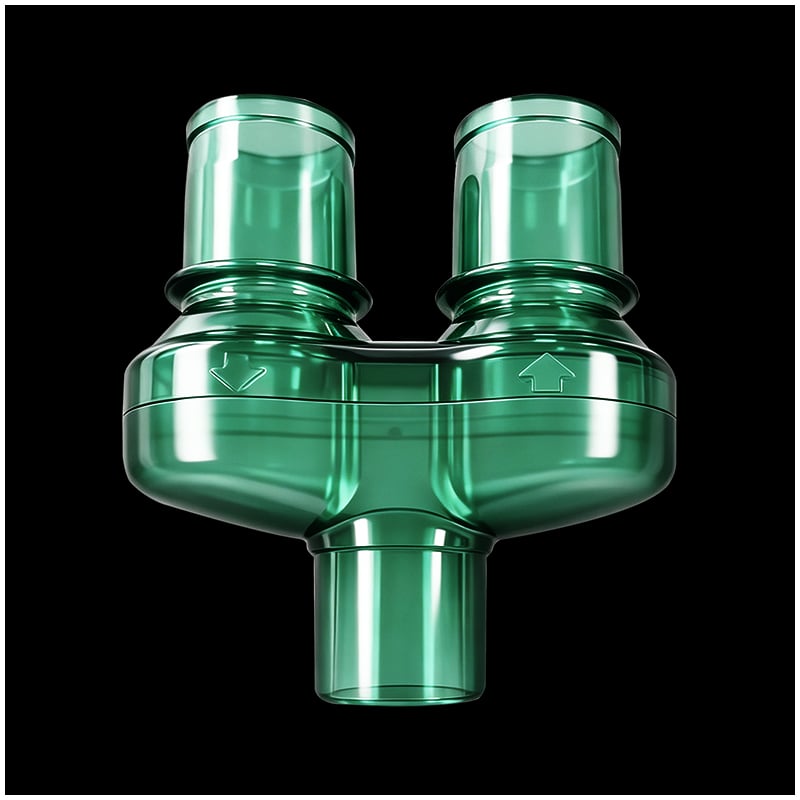
Medical plastic parts such as diagnostic components, fluid connectors and disposable device parts demand high consistency batch‑to‑batch. Even tiny dimension drift may cause assembly failure or safety risk.
Key benefits for medical projects:
 |
 |
Scientific molding is highly recommended for below projects:
Scientific molding is not just one special machine mode, but a complete engineering workflow. It removes guesswork out of injection molding. By focusing on polymer physical behavior inside cavity, manufacturers can deliver stable, high‑quality medical plastic parts that meet strict global medical manufacturing standards.
If you are developing precision medical plastic components, our team applies scientific molding principles from mold development through validation and mass production. Contact us to discuss your project.
 EN
EN



 Hot News